



















Techniques to Increase Food Business Footfall and Navigating the Online Menu

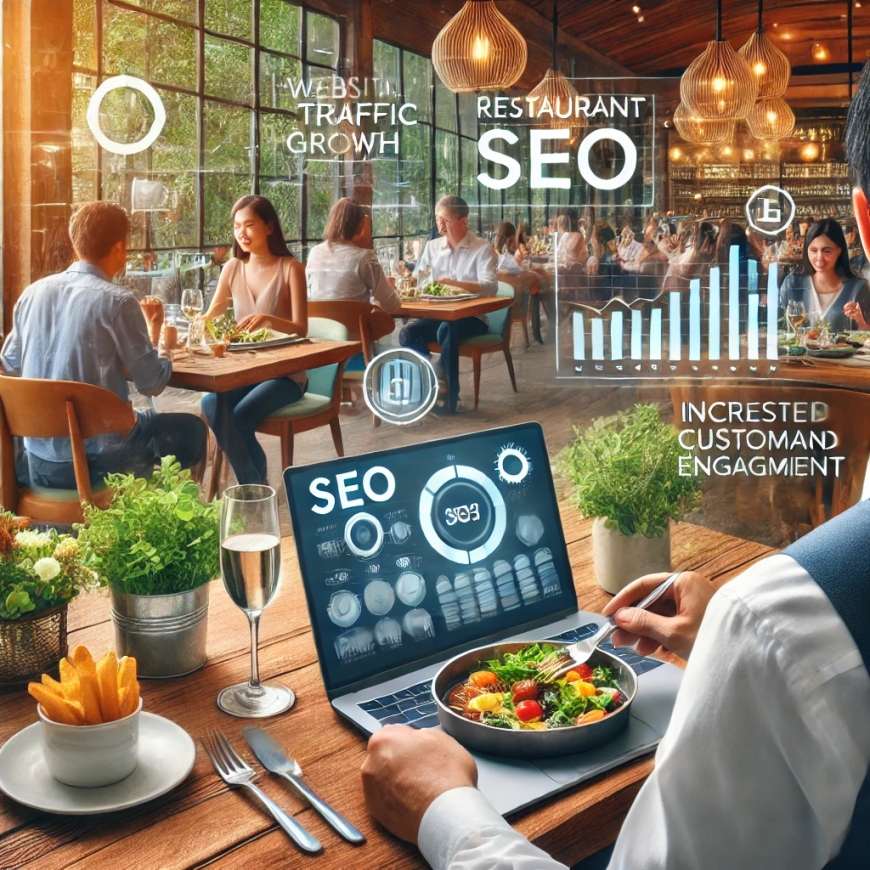
In today's digital-first world, having great food on the menu isn't enough to make your food business successful. Your website is the key to getting new customers and turning casual visitors into regular diners. More people than ever are looking for places to eat online. So, it's not just about how good your food is; it's also about how easy it is to find your restaurant in the digital crowd.
If you want to increase footfall, its time to navigate the complex online landscape thoughtfully. This guide dives into proven techniques, including effective SEO for restaurant businesses, to help food establishments from cozy cafs to bustling bistros amplify their online visibility and boost real-world visits.
1. Claim and Optimize Your Local Listings
When hungry customers search best food near me, local business listings are often their first stop. These listings including Google Business Profile (formerly Google My Business), Yelp, TripAdvisor, and Apple Maps can make or break your chances of being discovered.
Why it matters:
-
78% of local mobile searches result in an offline purchase.
-
Google Business Profile alone drives millions of footfalls to local businesses every day.
How to optimize:
-
Claim your profiles: Make sure you own and control all major local listings.
-
Complete every section: Include your business hours, phone number, address, website, and menu.
-
Add photos and videos: Showcase your interior, food, staff, and atmosphere.
-
Encourage reviews: Positive reviews improve your ranking and trustworthiness.
-
Update regularly: Keep your hours and menu current, especially during holidays or special events.
2. Craft a Mobile-Friendly Website with Clear Calls-to-Action
Your website is your digital storefront. If its slow to load, hard to navigate, or doesnt clearly show how to visit or order, potential customers will bounce.
Key website features to increase footfall:
-
Responsive design: Ensure your site looks great and functions smoothly on phones and tablets.
-
Menu visibility: Make your menu easy to find, with clear pricing and appetizing images.
-
Location and hours: Place these front and center on every page.
-
Online reservations: Integrate booking tools for easy table management.
-
Click-to-call buttons: For mobile users to quickly contact you.
-
Special offers and events: Highlight promotions or live music nights to entice visits.
3. Use Localized Content Marketing to Draw Nearby Diners
Content marketing isnt just for big brands its a powerful way for food businesses to connect with their community and boost search visibility.
Content ideas:
-
Local food guides: Write about Top brunch spots in [Your City] or Hidden gems near [Neighborhood].
-
Seasonal specials: Share blog posts about your holiday menus or summer cocktails.
-
Behind-the-scenes: Feature stories about your chefs, suppliers, or cooking methods.
-
User-generated content: Encourage customers to share their experiences on social media with a branded hashtag.
By tailoring content to your local audience and using geo-targeted keywords naturally, you increase the chances your site will rank higher in searches from nearby customers.
4. Harness the Power of Social Media with Geo-Targeted Campaigns
Social media platforms are invaluable tools to engage food lovers and funnel them toward your restaurant.
Strategies to try:
-
Geo-targeted ads: Facebook and Instagram allow you to run highly specific ads based on location, age, and interests perfect for driving local foot traffic.
-
Real-time updates: Post daily specials, flash deals, and behind-the-scenes clips.
-
Engagement: Respond promptly to comments and reviews, fostering a community feel.
-
Influencer partnerships: Collaborate with local food bloggers or influencers who can showcase your menu to their followers.
Remember, the goal is to build relationships that translate into actual visits.
5. Optimize Your Menu for Online and Search Visibility
Your menu isnt just a list of dishes its a search tool. Optimizing your menu for online discovery can attract hungry customers searching for specific items.
How to optimize:
-
Use descriptive, keyword-rich titles: Instead of Special Chicken Dish, say Grilled Herb-Roasted Chicken with Garlic Mashed Potatoes.
-
Add allergen and dietary info: Highlight gluten-free, vegan, or keto-friendly options.
-
Keep it updated: Remove items that are no longer available and add new ones promptly.
-
Structured data markup: Implement schema on your menu pages so search engines can display rich snippets, like prices and reviews, directly in search results.
6. Leverage Online Reviews to Build Trust and Attract Walk-Ins
Online reviews are the new word-of-mouth. A single glowing review can convince someone to pick your restaurant over a competitor.
Best practices:
-
Ask for reviews: Train staff to encourage happy customers to leave feedback.
-
Respond professionally: Address negative reviews constructively and thank positive reviewers.
-
Display reviews: Showcase testimonials on your website and social media.
-
Use review insights: Analyze feedback to improve your food, service, or ambiance continuously.
7. Invest in Local Search Ads to Target Ready-to-Visit Customers
Paid search ads targeted at local customers can provide a quick boost to footfall especially during peak hours or special events.
Tips for effective local ads:
-
Target keywords with near me or your neighborhood name.
-
Use location extensions: So your address and phone number appear with the ad.
-
Create urgency: Promote limited-time offers or happy hour specials.
-
Monitor performance: Adjust bids and creatives based on what drives actual visits.
8. Collaborate with Delivery and Reservation Platforms
While the goal is foot traffic, partnering with third-party platforms can complement your online presence and increase brand exposure.
How this helps:
-
Many customers discover new restaurants via apps like OpenTable, UberEats, or DoorDash.
-
These platforms often rank highly in local searches.
-
Offering delivery or takeout can introduce your food to customers who might visit later.
Just be mindful of fees and strive to maintain your unique brand voice across all channels.
9. Utilize Email Marketing to Bring Customers Back
Email remains a powerful tool for food businesses to keep customers engaged and encourage repeat visits.
Ideas for email campaigns:
-
Monthly newsletters featuring new dishes and events.
-
Exclusive discounts or birthday offers.
-
Invitations to tasting nights or cooking classes.
-
Reminders about holiday hours or special menus.
Make emails visually appealing and easy to act on including clear buttons to reserve a table or check the menu online.
10. Measure, Analyze, and Refine Your Online Efforts
The final piece of the puzzle is tracking what works and what doesnt.
Key metrics to watch:
-
Website traffic and bounce rates.
-
Click-through rates on ads and emails.
-
Number of online reservations and calls.
-
Growth in social media followers and engagement.
-
Customer feedback trends in reviews.
Use tools like Google Analytics, Google Business Profile insights, and social media analytics to gather data. Regularly review and tweak your strategies based on these insights to maximize footfall.
Conclusion
In the evolving world of digital dining, a strong online presence is your restaurants best friend. Navigating the online menu of marketing opportunities from local listings to social media campaigns can significantly boost your foot traffic and help your business thrive.
Remember, the key is to combine multiple techniques: optimize for local search, engage your audience authentically, keep your digital storefront inviting, and always listen to your customers. With a strategic approach and a dash of creativity, your food business can become the go-to destination that hungry locals cant stop talking about.