





















Why Proper Refrigerator Care Protects Your Food and Wallet
See how regular care and maintenance can keep your food fresh and reduce unexpected costs.


Whether you're storing last nights leftovers or keeping your produce fresh, the refrigerator is one of the most essential appliances in your home. It quietly runs in the background every day, making life easier by preserving food and preventing waste. But despite how important it is, most of us rarely think about how it worksuntil something goes wrong.
This blog will help you understand more about your refrigerator, from how it functions to how to take care of it properly. Youll also learn about energy-saving tips, common issues, and when to seek repairs or replacement.
How Does a Refrigerator Work?
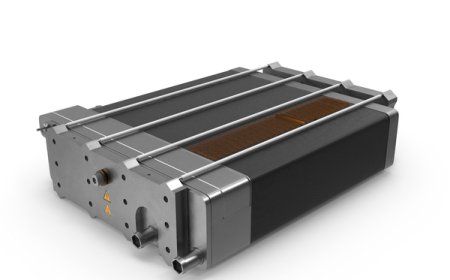
Even though it may seem like magic, the science behind cooling your food is pretty simple. A Fridge works by moving heat from the inside of the appliance to the outside using a cooling system. This process typically involves a compressor, refrigerant fluid, condenser coils, and an evaporator.
The compressor pushes the refrigerant through the system, absorbing heat from inside the fridge and releasing it through the coils at the back or bottom. The result? A cool, stable temperature inside that keeps your food fresh for longer. Regular maintenance helps this process run smoothly and efficiently.
Key Features to Look for When Buying a New Refrigerator
If youre in the market for a new fridge, the number of options can be overwhelming. From sleek French-door models to compact top-freezers, theres something for every kitchen and lifestyle. But what should you focus on?
Here are some helpful features to consider:
-
Energy Efficiency: Look for ENERGY STAR-rated models to save money on electricity.
-
Storage Capacity: Consider how much space you actually need, depending on your family size.
-
Adjustable Shelves and Drawers: These make it easier to organize food and containers.
-
Temperature Controls: Digital controls help keep food at ideal temperatures.
-
Smart Features: Some modern Fridges include Wi-Fi connectivity, touchscreens, or inventory tracking.
Common Problems and How to Spot Them
Over time, your fridge may start showing signs that it needs attention. Fortunately, many problems are easy to identify early onif you know what to look for.
Here are some common warning signs:
-
Strange Noises: Loud humming or clicking may signal a problem with the compressor or fan.
-
Temperature Issues: If your food spoils quickly or items in the freezer are soft, your fridge may not be cooling properly.
-
Leaking Water: Pooling around the base could mean a clogged drain or broken water line.
-
Frost Buildup: Ice where it shouldnt be is usually a sign of airflow problems.
If you notice any of these symptoms, its best to consult a technician before things get worse. A small issue today can turn into a costly repair tomorrow.
Tips for Cleaning and Maintaining
Cleaning your fridge isnt just about appearanceit can also extend the life of the appliance and keep your food safer. Its a good habit to clean both the inside and outside regularly.
Here are some simple maintenance tips:
-
Wipe Down Shelves Weekly: Remove expired items and spills to prevent odors and bacteria buildup.
-
Vacuum the Coils: Dusty coils can reduce efficiency, so clean them every 612 months.
-
Check the Door Seal: A cracked or loose gasket lets cold air escape and increases energy use.
-
Set the Right Temperature: Keep the fridge at 3740F and the freezer at 0F.
-
Defrost if Needed: Some older models require manual defrosting to prevent frost buildup.
With just a little care, your Fridge can stay in top condition for many years to come.
When Should You Replace Your Fridge?
Appliances dont last forever, and there comes a time when repairing an old fridge just isnt worth it. So, how do you know when to make the switch?
Here are some signs it might be time for a replacement:
-
Its Over 1015 Years Old: Most refrigerators last around this long before major issues start.
-
Frequent Repairs: If youre constantly calling a technician, a new unit could save you money.
-
Higher Energy Bills: Older models are often less efficient and more costly to run.
-
Outdated Features: Newer fridges come with features that improve food safety and storage.
-
Uneven Cooling: If certain areas are colder than others, the system may be breaking down.
A newer, energy-efficient Fridge might seem like a big investment at first, but it can offer peace of mind, better performance, and long-term savings.
How to Save Energy with Your Refrigerator
Your refrigerator runs 24/7, so it makes sense to keep it as energy-efficient as possible. A few small habits can go a long way in reducing electricity use without sacrificing performance.
Heres how you can save:
-
Dont Overfill It: Too much food blocks air circulation and makes the fridge work harder.
-
Keep the Door Closed: Decide what you want before opening the door to limit temperature changes.
-
Let Hot Food Cool First: Placing warm leftovers in the fridge can increase its workload.
-
Clean the Coils Regularly: As mentioned earlier, this helps maintain efficiency.
-
Avoid Putting the Fridge Near Heat Sources: Keep it away from ovens, dishwashers, or direct sunlight.
These simple steps make a noticeable difference over timeboth for the environment and your utility bill.
Final Thoughts
The refrigerator may not be the most glamorous appliance in your home, but its certainly one of the most important. Understanding how it works, keeping it clean, and watching for early warning signs can help extend its life and improve your homes energy efficiency.
Whether youre buying a new unit or caring for your current one, a little attention goes a long way. With proper use and maintenance, your refrigerator will continue to serve your household reliably for years to come.