














Must-Have Hiking Gear for Your Adventure in Pakistan's Mountains

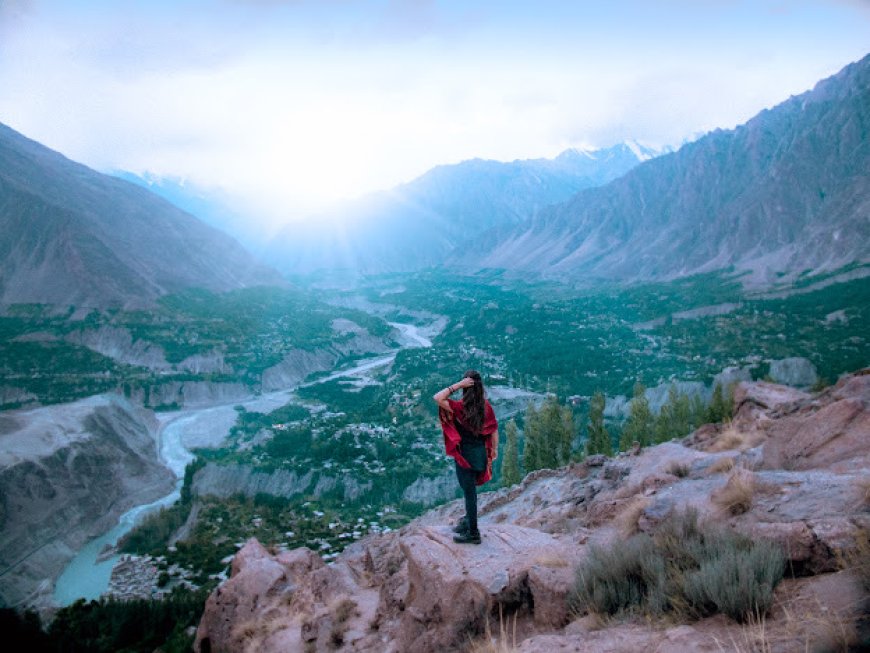
Pakistan is home to some of the worlds most spectacular mountain ranges, including the Karakoram, Himalayas, and Hindu Kush. From the snow-capped peaks of Hunza to the alpine meadows of Fairy Meadows, and the rugged trails of Skardu, Pakistan offers incredible hiking opportunities for both beginners and seasoned trekkers.
But with great beauty comes great responsibility and that starts with being properly prepared. The weather in Pakistans mountains is unpredictable, the terrain is rugged, and facilities along many trails are basic or nonexistent. To enjoy your hiking adventure safely and comfortably, having the right gear is essential.
Whether you're planning a day hike to Fairy Meadows or a multi-day trek through the high-altitude Karakoram, this guide covers all the must-have hiking gear youll need for your adventure in Pakistan's mountains.
1. A Reliable Backpack
Your backpack is your most trusted companion on the trail. For day hikes, a 20-30 liter daypack is ideal, while for multi-day treks, a 50-70 liter backpack is recommended.
Look for:
-
Adjustable, padded shoulder straps
-
Waist and chest straps for stability
-
Multiple compartments for easy organization
-
Water-resistant material or rain cover
A good backpack evenly distributes weight, making long hikes more comfortable and reducing fatigue.
2. Proper Footwear
The rocky, uneven trails of Pakistans mountains demand sturdy, reliable footwear. A quality pair of hiking boots with ankle support and grippy soles is essential.
Recommended Features:
-
Waterproof and breathable material
-
Strong, non-slip soles (e.g., Vibram)
-
Ankle support for stability
-
Comfortable fit to prevent blisters
Tip: Break in your boots before your trip to avoid discomfort on the trail.
3. Layered Clothing
Mountain weather can change in an instant from sunny and warm to cold and windy within minutes. Layering your clothing helps you adapt to changing conditions.
Essential Layers:
-
Base Layer: Moisture-wicking thermal shirt and pants
-
Mid Layer: Fleece or insulated down jacket for warmth
-
Outer Layer: Waterproof and windproof jacket and pants
-
Trekking Pants: Lightweight, quick-dry fabric
-
T-Shirts: Breathable and moisture-wicking
-
Hat and Gloves: Essential for chilly mornings and evenings
-
Neck Gaiter or Scarf: Protects against wind, dust, and sun
Even in summer, higher altitudes can be surprisingly cold, so pack accordingly.
4. Sleeping Gear (For Multi-Day Treks)
If youre planning to camp or stay in basic mountain huts, your own sleeping gear is a must.
Recommended Items:
-
Sleeping Bag: Rated for at least -5C to -10C for high-altitude treks
-
Sleeping Mat or Inflatable Mattress: Provides insulation from the cold ground
-
Lightweight Tent: Only necessary for self-supported treks
In popular trekking areas like Fairy Meadows, basic huts or tented camps are often available, but bringing your own sleeping bag ensures hygiene and warmth.
5. Trekking Poles
Trekking poles are invaluable on steep, rocky, or uneven terrain. They help with balance, reduce strain on your knees, and provide extra support during ascents and descents.
Choose:
-
Adjustable-length poles
-
Lightweight but sturdy material (aluminum or carbon fiber)
-
Comfortable, non-slip grips
6. Hydration Essentials
Staying hydrated is crucial, especially at high altitudes where dehydration can set in quickly.
Must-Have Hydration Gear:
-
Water Bottles or Hydration Bladder: Minimum 2 liters capacity
-
Water Purification Tablets or Filter: Clean drinking water isnt always readily available
-
Electrolyte Tablets or Powder: Helps replace lost minerals during long hikes
In remote areas like Nanga Parbat Base Camp or Patundas Meadows, clean water sources may be limited, so always plan ahead.
7. Navigation Tools
While some popular trails are well-marked, many routes in Pakistans mountains are remote and lack clear signage.
Essential Navigation Tools:
-
Topographic map of the region
-
Compass or GPS device
-
Offline maps downloaded to your phone
-
Local guide (highly recommended for remote areas)
Tip: Dont rely solely on mobile networks, as signal coverage is limited in the mountains.
8. First Aid Kit
A compact but well-equipped first aid kit is crucial for dealing with minor injuries or medical issues on the trail.
First Aid Kit Should Include:
-
Bandages, gauze, and medical tape
-
Blister treatment (moleskin, antiseptic cream)
-
Pain relievers (Ibuprofen or Paracetamol)
-
Antiseptic wipes
-
Anti-diarrhea medication
-
Rehydration salts
-
Personal prescription medications
-
Sunscreen and lip balm with SPF
If you're trekking at high altitudes, consider consulting a doctor about altitude sickness medication.
9. Lighting Gear
Reliable lighting is essential for hiking at dawn, dusk, or for nighttime campsite use.
Must-Have Lighting Gear:
-
Headlamp: Hands-free and reliable
-
Extra Batteries: Cold weather can drain batteries quickly
-
Compact Flashlight: As a backup
A headlamp is especially important for early-morning starts or if your hike unexpectedly takes longer than planned.
10. Food and Snacks
In remote mountain areas, you cant always rely on finding food. Pack lightweight, energy-rich snacks to keep you fueled.
Recommended Snacks:
-
Trail mix with nuts and dried fruits
-
Energy bars or granola bars
-
Chocolates or sweets for quick energy
-
Instant noodles or soups (for multi-day treks)
-
Biscuits or crackers
For multi-day hikes, bring lightweight meals that require minimal preparation.
11. Other Useful Gear
These additional items can significantly improve your hiking experience:
-
Sunglasses: UV protection at high altitudes is essential
-
Sun Hat or Cap: Keeps the sun off your face
-
Multi-tool or Knife: Versatile for repairs or meal prep
-
Trash Bag: Leave no trace pack out all waste
-
Power Bank or Solar Charger: Charging facilities are scarce
-
Camera or Smartphone: Capture the stunning scenery
12. Optional But Handy Items
Depending on your preferences and route:
-
Lightweight camp stove and cookware (for self-supported treks)
-
Gaiters (for snow or muddy conditions)
-
Compact camp chair (for extra comfort)
-
Insect repellent (for lower altitudes or meadows)
Final Tips for Hiking in Pakistans Mountains
Pakistans mountains are as breathtaking as they are challenging. With the right gear, you can safely explore some of the most stunning and remote regions on Earth.
Final Tips:
-
Always check weather forecasts before heading out.
-
Hire a local guide for unfamiliar or high-altitude routes.
-
Respect the environment pack out all your trash.
-
Dress modestly and respect local cultures, especially in villages.
-
Listen to your body, especially when hiking at high altitudes.
Conclusion
The mountains of Pakistan offer endless adventure, from beginner-friendly hikes to world-class trekking routes. But preparation is key. With the right hiking gear, you'll be ready to embrace the challenges and rewards of exploring Pakistan's rugged, majestic landscapes.