





















How to Identify Fake and Real Opal Stones: A Simple Guide
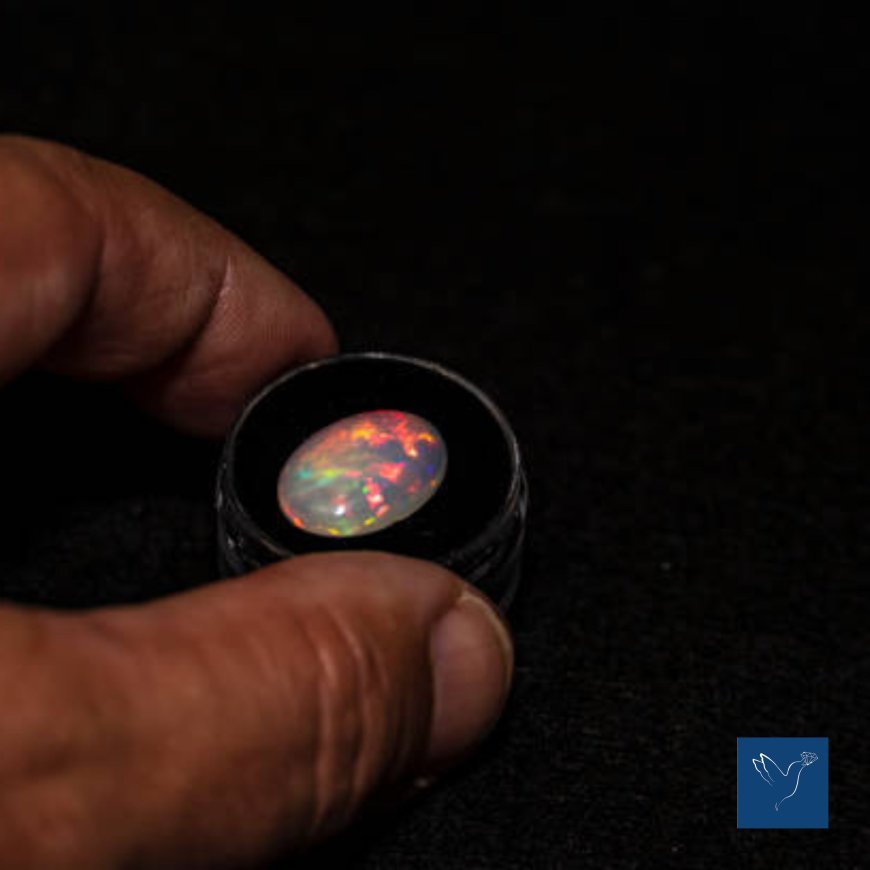
Opals are beautiful gemstones known for their colorful sparkle, also called play-of-colour. But today, many fake or man-made opals are sold, especially online. If you want to buy a real opal, you must learn how to spot a fake one.
What Is a Fake Opal?
Fake opals, also called synthetic or lab-created opals, are made in factories. They look very similar to real opals. Some even use real opal material but are glued together with other fake layers. These stones can trick people because they look bright and pretty, just like natural opals. However, the opal stone price is often much lower for fake opals compared to genuine ones.
Why Fake Opals Are Common
Opals are very popular. Many people want to buy them, but real opals can be expensive. So, some sellers try to make cheap, fake versions. Some sellers do not tell the full truth about what kind of opal they are selling. They use words like "Gilson opal" or "fire opal" that sound real but may be fake or treated stones.
Types of Fake Opals
- Synthetic Opals: Made in a lab. Look like real opals.
- Doublets: A thin slice of real opal glued to a black backing.
- Triplets: Like a doublet but with a clear glass or plastic top.
How to Tell If an Opal Is Fake
1. Check the Colour Pattern
Real opals show different colours when you move them around. Fake opals often have a repeating pattern. Look for 'snake skin' or 'column' structures in the colour. These straight, regular lines are signs of a fake opal. To avoid getting tricked, always buy from a trusted source. One of the best websites to buy gemstones online is GemstonesForSale, where you can find genuine, ethically sourced opals with certification and expert guidance.
2. Use a UV Light
Real opals look normal under UV light. Fake opals might glow green. You can carry a UV torch when shopping for opals.
3. Look at the Sides
If the opal has flat layers or a black plastic back, it could be a doublet or triplet. Real opals are usually one full solid piece and not glued together.
4. Feel the Weight
Fake opals made in a lab are lighter than real opals. Some are more porous, which means they can absorb water. Real opals are heavier and less porous.
5. Check the Surface
Real opals have a smooth and waxy surface. If the top looks glassy or very shiny, it could be a plastic cap a sign of a triplet.
6. Watch the Price
If the price is too good to be true, it probably is. Real opals are not cheap. Be careful when buying online.
What Are Gilson Opals?
Gilson opals are fake opals made from silica, just like real ones. But they are made in labs. Their colours are very bright, and they have a clear pattern. They have been made since 1974. Today, most come from Japan.
Transparency and Base Tone Check
The aurora opals usually have a semi-translucent or translucent body and may have a milky or slightly blue base tone that transmits light. Fake opals can look cloudy, overly opaque, or have some kind of unnatural back color, for example neon or plastic white.
Quick test: Place the stone in front of a light source. If it appears solid and does not let you see through it, be careful. And if you need to buy stones online you can visit trustworthy and affordable stones at GemstonesForSale.
Feel the Temperature
Real opals are cool, like the glass or ceramic to the touch, while high-quality lab opals feel that way, too. Fakes of plastic or resin will be warmer or even a little sticky.
Quick test: Hold the opal in your hand for some seconds. If it heats up in an instant or is way too light, it may be plastic.
Request Certification or Transparency of Seller
A reliable vendor of opals will never be afraid to disclose information about the origin of the gemstone whether its laboratory-made or genuine. They should also give certificates of authenticity particularly for high-end purchase.
Quick test: Ask a clear question, Is this a lab-created opal or natural opal? If they evade the question or they fail to appear knowledgeable, take that as a red flag.
Problems with Ethiopian Opals
Some Ethiopian opals look real but are treated with chemicals to show colour. After some time, the colour fades. Also, they may turn cloudy or white after getting wet. Many sellers dont tell buyers about these treatments.
Tips Before You Buy
- Buy from a trusted seller or jeweller.
- Ask if the opal is solid, doublet, triplet, or synthetic.
- Check the back and sides of the stone.
- Use a magnifying glass to check the pattern.
- If unsure, take it to a gemologist.
Final Words
Real opals are rare and beautiful. Fake opals may look nice but are not as valuable. By learning how to check your stone, you can be sure of what you are buying. Whether you want a special gem for a gift or your own collection, always choose carefully and buy from honest sellers.
Now you know the basics to tell real opals from fake ones. Stay informed, and youll enjoy the magic of a true rainbow gem without any doubts.