














How to Attend East Boston's Italian Feasts
How to Attend East Boston's Italian Feasts East Boston, a vibrant neighborhood nestled along the harbor just minutes from downtown Boston, has long been a cultural heartbeat of Italian-American life in New England. For over a century, generations of Italian immigrants and their descendants have preserved traditions through food, music, family, and faith — most notably through the neighborhood’s le

How to Attend East Boston's Italian Feasts
East Boston, a vibrant neighborhood nestled along the harbor just minutes from downtown Boston, has long been a cultural heartbeat of Italian-American life in New England. For over a century, generations of Italian immigrants and their descendants have preserved traditions through food, music, family, and faith most notably through the neighborhoods legendary Italian feasts. These annual celebrations, often tied to patron saints like San Gennaro, San Rocco, or Our Lady of Mount Carmel, are more than just festivals; they are living expressions of heritage, community, and identity.
Attending an East Boston Italian feast is not simply about enjoying pasta, cannoli, and live music. Its about stepping into a world where the scent of garlic and basil fills the air, where neighbors greet each other like family, and where centuries-old rituals unfold in the shadow of the airports landing planes. Whether youre a local resident, a curious visitor, or someone with Italian roots seeking connection, knowing how to properly attend these feasts can transform a casual outing into a deeply meaningful experience.
This guide is designed to help you navigate, appreciate, and fully engage with East Bostons Italian feasts from planning your visit to understanding cultural nuances, avoiding common missteps, and connecting with the community in an authentic way. By the end of this tutorial, youll know exactly how to attend these events with confidence, respect, and joy.
Step-by-Step Guide
1. Identify the Feast and Its Schedule
East Boston hosts multiple Italian feasts throughout the year, each tied to a specific saint or religious observance. The most prominent include:
- Feast of San Gennaro Typically held in September, centered around Meridian Street and the Church of the Most Holy Redeemer.
- Feast of San Rocco Usually in August, hosted by the San Rocco Society near the intersection of Bremen and Meridian Streets.
- Feast of Our Lady of Mount Carmel Celebrated in July, often featuring a grand procession through the streets of East Boston.
Start by researching the exact dates for the current year. These events are often organized by local parishes or cultural societies, so visit the websites of the Church of the Most Holy Redeemer, the San Rocco Society, or the Our Lady of Mount Carmel Parish. Local news outlets like the Boston Globe or East Boston Tribune also publish event calendars. Social media pages particularly Facebook groups like East Boston Italian Feast or Italian Heritage of East Boston are invaluable for real-time updates, last-minute changes, and insider tips.
2. Plan Your Visit Around Peak Times
Italian feasts are multi-day events, often running from Thursday to Sunday. Each day offers a different experience:
- Thursday and Friday Smaller crowds, ideal for first-time attendees. Food lines are shorter, and you can speak with organizers and vendors more easily.
- Saturday The busiest day. Expect long lines, live bands, and the main procession (if applicable). This is the day to experience the full energy of the feast.
- Sunday Often quieter, with a focus on religious services and family gatherings. A great day to enjoy lingering meals and conversations.
If youre visiting with children, elderly relatives, or prefer a calmer atmosphere, aim for early morning or late afternoon on Friday or Sunday. Arrive before noon on Saturday if you want to avoid the heaviest crowds. Many locals arrive by 9 a.m. to secure parking and get first pick at the best food stalls.
3. Dress Appropriately
While theres no strict dress code, dressing respectfully enhances your experience and shows cultural awareness. Most attendees wear casual, comfortable clothing think jeans, t-shirts, and sneakers but many older generations dress more formally, especially on Sunday or during religious processions.
Consider the weather. East Boston summers can be hot and humid, so opt for breathable fabrics. Bring a light jacket or sweater for cooler evenings near the water. Avoid wearing revealing clothing or anything with offensive slogans this is a deeply spiritual and family-oriented event.
If youre attending the religious procession (a highlight of the Feast of Our Lady of Mount Carmel), modest attire is expected. Shoulders and knees should be covered. Women may choose to wear a light scarf, and men often wear button-down shirts. This isnt a requirement for visitors, but its a sign of respect that locals will notice and appreciate.
4. Navigate Parking and Transportation
Parking is extremely limited during feast days. The streets surrounding the feast grounds especially Meridian Street, Bremen Street, and Maverick Square are closed to traffic. Do not attempt to park on side streets; many are reserved for residents or feast volunteers.
Best options:
- MBTA Blue Line Take the train to the Maverick or East Boston stations. From there, its a 1015 minute walk to the main feast areas. The Blue Line runs frequently on weekends.
- Uber/Lyft Drop off at the corner of Meridian and Bremen Streets. Be aware that ride-share pickups may be restricted during peak hours due to road closures.
- Free Parking Lots The East Boston YMCA lot (at 120 Meridian Street) and the Boston Public Works lot on Bremen Street often open for public parking during feasts. Arrive early these fill by 10 a.m. on Saturday.
Walking from nearby neighborhoods like Maverick Square, Orient Heights, or even the airport terminal area is also feasible if youre staying locally. Many locals walk to the feast from their homes, making it a community-wide event.
5. Understand the Food Culture
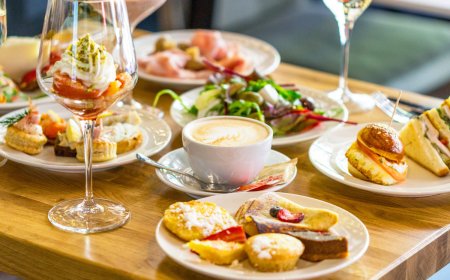
The food at East Bostons Italian feasts is not just sustenance its the soul of the celebration. Youll find vendors serving traditional dishes passed down for generations:
- Spaghetti and Meatballs Often made with house-ground beef and pork, slow-simmered in tomato sauce.
- Stuffed Peppers Bell peppers filled with rice, ground meat, herbs, and cheese, baked to perfection.
- Clam Linguine Fresh local clams, garlic, white wine, and olive oil a coastal New England twist on a classic.
- Arancini Fried rice balls stuffed with mozzarella and rag.
- Cannoli Crisp shells filled with sweet ricotta, often dusted with powdered sugar and chocolate chips.
- Italian Ice Brightly colored, refreshing flavors like lemon, cherry, and strawberry.
Most vendors sell food by the plate or by the portion. Prices range from $8$15 per entree. Many stalls accept cash only bring at least $50 in small bills. Some vendors now accept Apple Pay or Venmo, but dont assume it. ATMs are available near the feast grounds, but lines can be long.
Tip: Ask vendors, Whats your family recipe? Many will happily share stories about how their grandmother made the dish. This opens the door to deeper connection.
6. Respect the Religious Elements
At the heart of every East Boston Italian feast is a religious component. The Feast of Our Lady of Mount Carmel, for example, includes a solemn procession where a statue of the Virgin Mary is carried through the streets by members of the parish, accompanied by prayer, hymns, and the sound of traditional Italian band music.
As a visitor:
- Stand quietly during processions. Do not walk through or block the path.
- Turn off your phone or set it to silent. Avoid taking photos during prayers or when the statue is being carried.
- If you see people kissing the statue or placing flowers at its base, observe quietly. This is a sacred act.
- Do not touch religious objects, candles, or altars unless invited to do so.
Many locals attend Mass before or after the feast. If youre interested in attending, check the parish bulletin for service times. Non-Catholics are welcome, but its polite to sit toward the back and remain quiet.
7. Engage with the Community
One of the most rewarding aspects of attending these feasts is the warmth of the people. Italians in East Boston take pride in their heritage and love sharing it especially when visitors show genuine interest.
Try these simple approaches:
- Ask a vendor: Where did your family come from in Italy? Many are from Campania, Sicily, or Calabria.
- Compliment the food: This sauce tastes like my Nonnas. Even if youre not Italian, this phrase resonates deeply.
- Join a line for food youll naturally strike up conversations with others waiting.
- Ask about the band: Who plays here every year? Local musicians often return for decades.
Dont be afraid to smile, say Ciao, or even attempt a few words of Italian. Phrases like Grazie mille (thank you very much) or Che buono! (How good!) are warmly received.
8. Participate in Activities and Entertainment
Feasts arent just about eating. They include:
- Live Music Italian folk bands, accordion players, and singers performing classics like O Sole Mio and Thats Amore.
- Dance Performances Local dance troupes in traditional costumes perform folk dances.
- Games and Raffles Ring toss, wheel of fortune, and raffles for prizes like gift cards or Italian cookbooks.
- Childrens Activities Face painting, balloon artists, and Italian storytelling.
Many of these activities are free. Encourage kids to participate its a great way to introduce them to heritage in a fun, engaging way. Adults can join in raffles or even volunteer to help with setup or cleanup (ask at the information booth).
9. Know When to Leave
Feasts typically wind down by 9 p.m. on weekdays and 10 p.m. on weekends. The music stops, the food stalls close, and the lights begin to dim. This is not the time to linger locals begin to clean up, and the streets are cleared by midnight.
Leave with respect. Dont litter. If you see trash bins, use them. If youre unsure where to dispose of a paper plate or napkin, ask a volunteer. Many are older residents whove helped organize these feasts for 30+ years theyll appreciate the gesture.
10. Follow Up and Stay Connected
After the feast, consider staying connected to the community. Follow the feasts official social media pages. Subscribe to the parish newsletter. Consider volunteering next year many feasts rely on volunteers for setup, security, and food service.
Some families even host feast reunions in the months after, where they share photos and stories. Dont be surprised if you receive a friendly message from someone you met these connections often last a lifetime.
Best Practices
Be Patient and Embrace the Pace
Italian feasts move at the rhythm of community, not clock time. Food lines may take 45 minutes. Music might start late. The procession might be delayed due to weather. This isnt a flaw its part of the tradition. Embrace the wait. Chat with those around you. Bring a book or a small snack if youre visiting with children. Patience is not just a virtue here its a cultural expectation.
Bring Cash Lots of It
While digital payments are slowly becoming accepted, most vendors are small businesses or family-run operations that rely on cash. Bring at least $75$100 in small bills ($1, $5, $10). Avoid large bills many stalls dont have enough change. ATMs are available, but theyre often surrounded by long lines and may charge fees.
Respect the Space
These feasts take place in residential neighborhoods. Do not block driveways, park illegally, or leave belongings unattended. Keep noise levels reasonable, especially after 8 p.m. Remember: these are not theme parks they are sacred community gatherings in the heart of someones home.
Dont Treat It Like a Tourist Attraction
While the food and music are incredible, this is not a performance for your Instagram feed. Avoid taking selfies in front of religious statues or interrupting prayers. Dont ask to take a picture with the Madonna. This is deeply personal. If you want to capture the moment, photograph the food, the band, the decorations but always with humility.
Learn a Few Cultural Norms
Italians in East Boston often use gestures, tone, and body language to communicate. A raised eyebrow might mean Are you sure? A hand on the heart means I mean it. A quick kiss on the cheek between friends is common but dont initiate it unless offered. Observe, then mirror.
Bring a Reusable Bag
Many vendors offer take-home containers, but bringing your own canvas bag or tote helps reduce waste and shows environmental awareness. It also makes it easier to carry your food, souvenirs, or a bottle of olive oil you might buy.
Ask Before You Take Photos
Always ask permission before photographing individuals, especially older attendees or children. Many families come to honor deceased relatives their presence is emotional. A simple Is it okay if I take a photo? goes a long way.
Support Local Vendors, Not Chains
Some booths may look like commercial food trucks but many are operated by local families whove been selling the same recipes for 50 years. Avoid vendors who use pre-packaged ingredients or have corporate logos. Look for handwritten signs, family names on aprons, and handwritten menus.
Dont Rush the Experience
Its tempting to try everything but slow down. Sit on a bench. Watch the procession. Listen to the music. Let the atmosphere wash over you. The best memories arent made by eating the most food theyre made by feeling the spirit of the place.
Bring a Water Bottle
It gets hot under the tents, and youll be walking a lot. Staying hydrated helps you enjoy the day longer. Many vendors sell bottled water, but bringing your own saves money and reduces plastic waste.
Tools and Resources
Official Websites and Calendars
- Church of the Most Holy Redeemer www.mhrboston.org Details on San Gennaro Feast and Mass schedules.
- San Rocco Society www.sanroccosociety.org Event calendar, volunteer sign-up, and history of the feast.
- Our Lady of Mount Carmel Parish www.olmc-eastboston.org Feast of Our Lady of Mount Carmel procession details.
- East Boston Historical Society www.eastbostonhistory.org Archives, photos, and oral histories of past feasts.
Mobile Apps
- Google Maps Use the Live View feature to navigate the maze of closed streets. Search East Boston Italian Feast for real-time crowd heatmaps.
- Facebook Events Search East Boston Italian Feast to find official event pages with updates, photos, and volunteer needs.
- Meetup Occasionally, local heritage groups host pre-feast meetups to share tips and stories.
Books and Documentaries
- The Italian Feast: Tradition and Community in East Boston by Maria R. DeLuca A beautifully illustrated oral history of the feasts from 1920 to present.
- Bread, Wine, and Salt: Italian Immigrants in Boston by Anthony P. Russo Explores the cultural roots of food, faith, and family.
- Documentary: Under the Saints Light A 30-minute film by Boston Public Media, available on YouTube. Features interviews with long-time organizers and first-generation attendees.
Local Food Guides
- Boston Eats: The Best Italian Food Outside of Little Italy A local food blog with reviews of feast vendors and their signature dishes.
- The East Boston Food Map A downloadable PDF from the Boston Public Library featuring 20+ local Italian restaurants and past feast vendors.
Language Resources
While most locals speak English, knowing a few Italian phrases adds depth:
- Ciao Hello / Goodbye
- Grazie Thank you
- Grazie mille Thank you very much
- Che buono! How good!
- Dove il bagno? Where is the bathroom?
- Quanto costa? How much does it cost?
Download a free Italian phrasebook app like Duolingo or Memrise to practice before your visit.
Volunteer and Support Networks
Many feasts rely on volunteers. If youd like to give back:
- Sign up through the parish office or Facebook group.
- Tasks include setting up tables, serving food, cleaning up, or helping with security.
- Volunteers often get free food and a behind-the-scenes look at the feast.
Even a few hours of help can create lasting bonds with the community.
Real Examples
Example 1: The Martinez Familys First Feast
Julia Martinez, a third-generation Italian-American from Quincy, visited the Feast of San Gennaro for the first time in 2023. She had grown up hearing stories from her Nonna about the big feast in East Boston, but never experienced it herself.
She arrived at 11 a.m. on Saturday, took the Blue Line, and walked with her 7-year-old daughter. At first, she felt overwhelmed by the crowds. But when she asked a vendor, Do you make your own meatballs? the woman a 78-year-old named Rosa smiled and said, My mother taught me in 1953. Come, Ill show you.
Rosa let Julia watch her roll the meatballs by hand, then invited her daughter to help sprinkle parsley. They ate together at a picnic table. Julia bought three plates: spaghetti, stuffed peppers, and cannoli. She cried when Rosa hugged her and said, You have your Nonnas eyes.
Julia returned the next year as a volunteer, helping set up tables. She now brings her daughter every August.
Example 2: A Visitor from Italy
Luca Moretti, a young man from Naples, visited Boston on a business trip in July. He heard about the Feast of Our Lady of Mount Carmel and decided to attend. He arrived in a suit not knowing the dress code and was initially hesitant to join the procession.
But when he saw the statue carried by men in white shirts and red sashes, he recognized the same style from his hometown. He quietly joined the line behind the crowd, bowing his head as it passed. An elderly woman beside him noticed his accent and asked, Youre from Italy?
They spoke for 20 minutes. She told him about her parents who left Sicily in 1921. He told her about his Nonnas recipe for eggplant parmesan. She gave him a small medal of the Virgin Mary. He cried.
Luca returned to Naples and wrote a blog post titled, I Found My Family in East Boston. It went viral in Italian expat circles.
Example 3: The High School Project
In 2022, a group of students from East Boston High School partnered with the San Rocco Society to document the feast for a history class. They interviewed vendors, recorded music, and filmed the procession.
One student, Mateo Rivera, interviewed his own grandfather, who had helped carry the statue for 42 years. The project won a state award. The students now lead guided Feast Walks for tourists every summer teaching visitors the history behind each dish and song.
We used to think our culture was just food, Mateo said. Now we know its memory. And memory is what keeps us alive.
FAQs
Do I need to be Italian to attend?
No. These feasts are open to everyone. While they celebrate Italian heritage, they are community events that welcome all who come with respect and an open heart.
Are the feasts free to attend?
Yes. Entry to the feast grounds and all public activities are free. You pay only for food, drinks, raffles, or merchandise.
Can I bring my dog?
No. Due to food service and large crowds, pets are not permitted on feast grounds except for certified service animals.
What if it rains?
Feasts continue rain or shine. Many food tents are covered, and the procession is often moved to a nearby church if weather is severe. Check social media for updates.
Is there wheelchair accessibility?
Yes. The main feast areas are accessible, and volunteer teams provide assistance for those with mobility needs. Contact the parish office in advance if you require special accommodations.
Can I bring alcohol?
No. Alcohol is not permitted on public feast grounds. Some private gatherings may serve wine, but public areas are strictly alcohol-free.
How do I find the best food?
Look for the longest lines theyre usually the best. Ask locals, Who makes the best cannoli? or Which stall has been here the longest? The answers will guide you.
Can I take home food?
Yes! Most vendors offer take-home containers. Some even sell jars of sauce, olive oil, or homemade cookies to take with you.
Are there vegetarian or gluten-free options?
Yes, but theyre limited. Ask vendors directly. Many traditional dishes contain meat or gluten, but some stalls now offer veggie lasagna, gluten-free cannoli shells, or roasted vegetables. Dont assume always ask.
Can I volunteer next year?
Absolutely. Reach out to the parish or visit their Facebook page in April or May. Volunteers are always needed and deeply appreciated.
Conclusion
Attending an East Boston Italian feast is more than a cultural excursion its an invitation into a living tradition that has endured through war, migration, economic hardship, and generational change. These feasts are not museum exhibits. They are not staged performances. They are real. They are raw. They are alive with the voices of grandmothers, the laughter of children, the clink of forks on ceramic plates, and the steady beat of an accordion playing a tune that hasnt changed in 80 years.
When you attend, you dont just observe you participate. You taste the history. You hear the prayers. You share space with people whose ancestors crossed oceans to build something beautiful in a new land. And in doing so, you become part of that story, however briefly.
This guide has given you the tools the logistics, the etiquette, the resources to attend with confidence. But the real magic happens when you let go of your checklist and simply be present. Sit on the bench. Listen to the music. Ask the woman behind the counter about her Nonna. Say Grazie with meaning.
East Bostons Italian feasts are not about perfection. Theyre about presence. About connection. About remembering where we come from and who we are because of it.
So go. Bring your appetite. Bring your curiosity. Bring your heart.
And when you leave, dont just take photos.
Take a piece of the feast with you.