


















Why Chenille Digitizing is Back in Modern Embroidery Trends
Discover how chenille digitizing brings vintage texture and bold style to modern apparel and branding through expert stitch design.

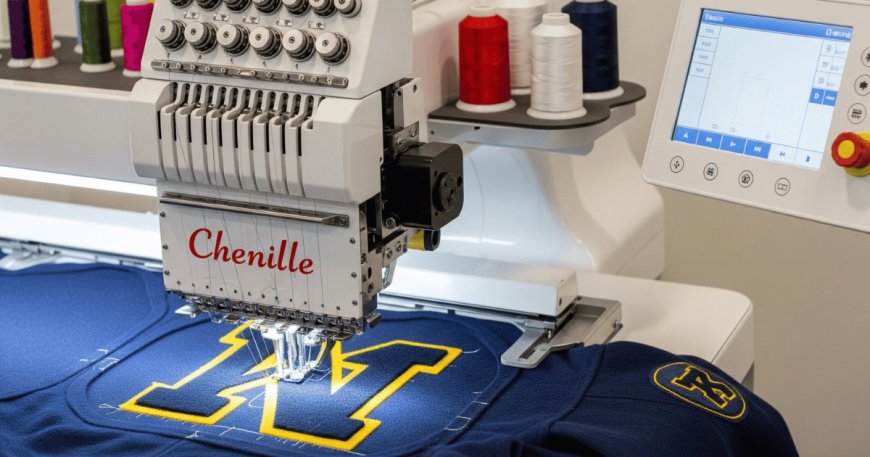
At a high school homecoming parade in the Midwest, spectators marveled at the bold, fuzzy varsity letters stitched onto vintage jackets. It wasnt just nostalgia, it was a design revival. Behind the eye-catching patches and throwback aesthetic was a technique more relevant today than ever:chenille digitizing.
Designers and custom embroidery professionals are turning to chenille to bring personality, texture, and retro charm to their modern branding and fashion. Whether on a college sweater or a boutique hoodie, chenille offers a soft, bold, and tactile effect that resonates with consumers.
What Is Chenille Digitizing?
Chenille digitizing is the specialized process of converting artwork into a file that embroidery machines use to produce plush, looped yarn designs. Its different from traditional embroidery, which uses dense thread patterns to fill shapes. Chenille, on the other hand, involves yarn stitched in a way that forms raised, carpet-like textures.
The digitized file defines:
-
Loop direction and length
-
Stitch path for the yarn
-
Sequencing for multi-layered designs
-
Backing structure to support the raised texture
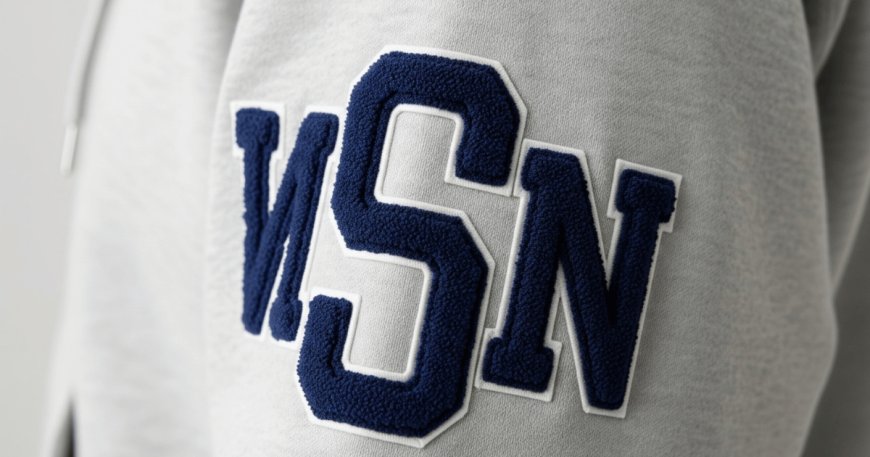
This method produces iconic fuzzy letters and symbols, often seen in athletic wear, varsity jackets, and fashion streetwear.
To explore how this works in commercial application, visit this chenille digitizing service for real-world use cases.
A Throwback with Modern Appeal
Once limited to school and team apparel, chenille has made a comeback as fashion brands seek texture-rich details that feel nostalgic but new. With Gen Z and Millennial consumers craving individuality, chenille embroidery offers bold personality, whether its a monogram, logo, or art patch.
This digitizing method is especially effective for:
-
Letterman jackets
-
Sweatshirts and hoodies
-
Caps and snapbacks
-
Blankets and plush items
-
Brand patches for resale
How the Chenille Process Differs from Regular Embroidery
Unlike standard flat embroidery, chenille uses a chain stitch, moss stitch, or a combination that forms raised loops. The digitizing process sets these parameters by:
-
Outlining where yarn should run
-
Selecting loop height and direction
-
Setting stitch density to control fullness
-
Defining borders, often done in satin or lock stitches
Specialty chenille machines then follow this file to create thick, fluffy textures. The result is an embroidery piece thats highly tactile and visually striking.
Design Considerations for Chenille Digitizing
Not every design is suited to chenille. It works best with:
-
Bold, block letters
-
Simple shapes or symbols
-
Minimal detail (fine lines get lost in the fluff)
-
Solid color fills
Thin fonts, gradients, and tiny text wont translate well. A skilled digitizer simplifies artwork before digitizing it, ensuring the final product remains clean and legible.
Fabric Compatibility
Chenille embroidery works well on thicker fabrics such as:
-
Felt
-
Fleece
-
Denim
-
Wool blends
-
Heavy cotton
These materials support the weight and density of chenille stitching without puckering or warping. Lightweight fabrics typically require reinforced backing or are avoided altogether.
Why Choose Chenille for Branding?
In the age of digital printing and mass production, chenille stands out. It evokes craftsmanship and character, making it perfect for branding that wants to feel premium or nostalgic.
Businesses benefit from chenilles ability to:
-
Increase visual interest and texture
-
Deliver memorable merchandise
-
Enhance perceived value of products
-
Set themselves apart from competitors using standard embroidery
The Role of Manual Digitizing
Auto-digitizing cant capture the intricacies of chenille embroidery. Manual digitizing is essential to:
-
Adjust yarn flow for clean loops
-
Ensure even padding and edge support
-
Correctly align borders and fills
-
Avoid thread breaks and design distortion
An experienced digitizer will test on sample materials and tailor the stitch file based on garment type, yarn thickness, and design complexity.
Industry Usage and Trends
A report by Grand View Research notes the global custom embroidery market is projected to grow significantly, with an increased interest in textured embellishments. Brands are blending techniques, combining chenille with flat embroidery, applique, or sequins, to create standout fashion and promotional wear.
Retailers on Etsy and streetwear designers often use chenille patches as limited-edition flair or seasonal offerings. Even luxury brands have revisited chenille in collections to tap into vintage varsity aesthetics.
Cost Considerations
Chenille embroidery does require a higher upfront cost than standard embroidery, primarily due to:
-
Specialized digitizing
-
Slower stitching speeds
-
Use of custom yarn and thicker backings
However, the visual impact and perceived value allow sellers to price products higher. Its especially cost-effective for batch production or for high-end custom items where differentiation matters.
Sustainability and Chenille
Some digitizers now offer eco-friendly yarns or recycled materials for chenille work, making it compatible with sustainable fashion movements. With consumers increasingly valuing both craftsmanship and eco-conscious production, chenille fits naturally into these values.
Conclusion
Chenille digitizing breathes texture, nostalgia, and style into modern embroidery. Its a bold statement one that connects vintage inspiration with current design trends. Whether youre creating fashion pieces or custom branding, chenille gives you the edge with rich textures and standout visuals.