





















Barium Carbonate: Uses, Risks, and Safety Measures
Barium Carbonate

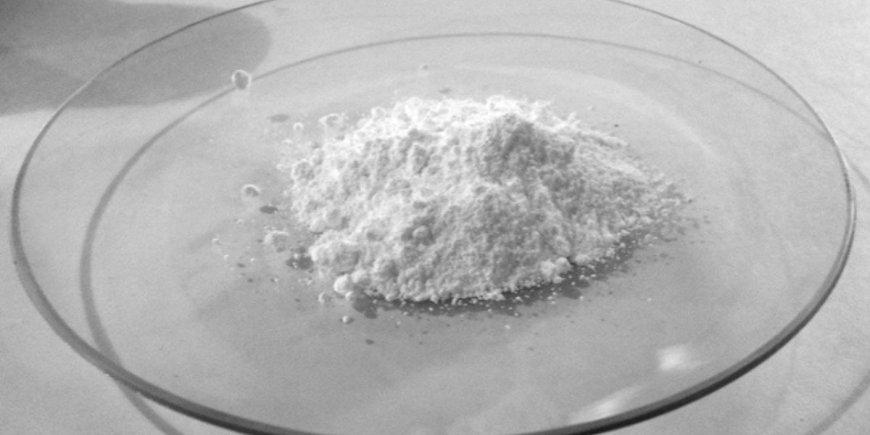
Barium carbonate is a chemical compound with the formula BaCO?. It is a white, odorless powder that occurs naturally as the mineral witherite. This compound has various industrial applications but also poses health risks if not handled properly. In this article, we will explore what barium carbonate is, its uses, potential dangers, and safety precautions.
What Is Barium Carbonate?
Barium carbonate is an inorganic salt made up of barium, carbon, and oxygen. It does not dissolve well in water, which makes it useful in certain industrial processes. It is produced either by mining the mineral witherite or through chemical reactions involving barium sulfide and sodium carbonate.
Key Properties of Barium Carbonate:
-
Appearance:White powder or crystals
-
Solubility:Poor in water but dissolves in acids
-
Toxicity:Harmful if swallowed or inhaled
-
Stability:Stable at room temperature but decomposes at high heat
Common Uses of Barium Carbonate
Barium carbonate has several important applications in different industries.
1. Manufacturing of Ceramics and Glass
One of the main uses of barium carbonate is in the production of ceramics and glass. It helps:
-
Strengthen ceramic products
-
Improve gloss and durability in tiles and pottery
-
Prevent discoloration in glass by removing impurities
2. Bricks and Construction Materials
In the brick-making industry, barium carbonate is added to clay to:
-
Reduce efflorescence (white salt deposits on bricks)
-
Enhance the quality and appearance of bricks
3. Rat Poison and Pesticides
Due to its toxicity, barium carbonate was once used in rat poisons and insecticides. However, its use has declined because of safety concerns.
4. Chemical Industry
Barium carbonate is a key ingredient in producing other barium compounds, such as:
-
Barium chloride (used in water treatment)
-
Barium sulfate (used in medical imaging and paints)
5. Electronics
It is used in the production of certain electronic components, including:
-
Ferrite magnets (found in speakers and motors)
-
Cathode ray tubes (older TV and computer screens)
Health Risks and Safety Concerns
While barium carbonate is useful in industry, it is toxic to humans and animals. Exposure can occur through ingestion, inhalation, or skin contact.
Symptoms of Barium Carbonate Poisoning:
-
Ingestion:Nausea, vomiting, diarrhea, muscle weakness, irregular heartbeat
-
Inhalation:Coughing, difficulty breathing, lung irritation
-
Skin Contact:Irritation, redness, or rash
Severe poisoning can lead to paralysis, kidney failure, or even death if not treated promptly.
Who Is at Risk?
-
Workers in factories handling barium carbonate
-
People living near industrial sites with poor safety measures
-
Children or pets accidentally exposed to old rat poison containing barium carbonate
Safety Measures When Handling Barium Carbonate
To prevent poisoning, proper safety precautions must be followed:
1. Personal Protective Equipment (PPE)
Workers should wear:
-
Gloves
-
Safety goggles
-
Respirators (if dust is present)
-
Protective clothing
2. Proper Storage and Handling
-
Store in sealed containers away from food and drinks
-
Keep in a cool, dry, and well-ventilated area
-
Label containers clearly to avoid accidental misuse
3. First Aid in Case of Exposure
-
Ingestion:Do NOT induce vomiting. Seek medical help immediately.
-
Inhalation:Move to fresh air and get medical attention if breathing is difficult.
-
Skin Contact:Wash with soap and water for at least 15 minutes.
4. Disposal of Barium Carbonate Waste
Follow local environmental regulations for disposal. Do not pour it into drains or water sources.
Environmental Impact
Barium carbonate can harm the environment if not managed properly:
-
Water Pollution:Can contaminate groundwater and harm aquatic life.
-
Soil Contamination:Affects plant growth and enters the food chain.
Industries must follow strict guidelines to minimize environmental damage.
Alternatives to Barium Carbonate
Due to its toxicity, some industries are looking for safer alternatives, such as:
-
Calcium carbonate(less toxic, used in ceramics)
-
Strontium carbonate(used in glass and electronics)
However, these alternatives may not always provide the same benefits as barium carbonate.
Last Words
Barium carbonate is a valuable industrial chemical with uses in ceramics, glass, construction, and electronics. However, its toxic nature requires careful handling and strict safety measures. Workers and industries must follow guidelines to prevent health risks and environmental harm.