
















Smart Monitoring Prevents Overflow Events
Prevent costly and dangerous overflow events with smart remote monitoring. Real-time insights keep city water and wastewater systems under control.
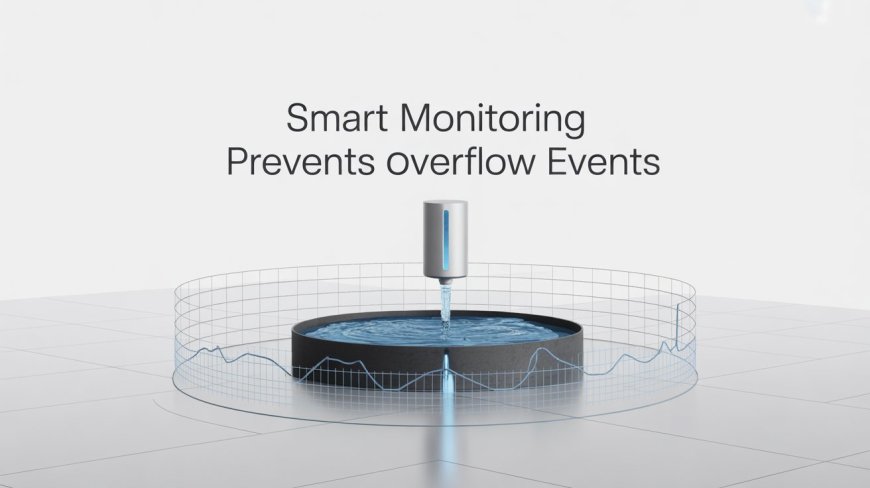
Overflow events arent just a nuisance, they can lead to environmental disasters, health hazards, legal consequences, and millions in damages. In todays complex urban and industrial environments, infrastructure must keep up with unpredictable weather, aging systems, and increasing demand. Thats where a Smart Remote Monitoring System becomes the utility operators best ally.
By detecting issues in real time and automating responses, smart monitoring prevents small problems from becoming massive, costly emergencies. Whether you're managing stormwater, wastewater, or potable systems, staying ahead of overflows is no longer a guessing game, its a data-driven strategy.
The Growing Threat of Overflows
Overflow events can occur for many reasons: blocked pipes, pump failures, infiltration during heavy rains, or even human error. In combined sewer systems, stormwater and wastewater flow through the same pipes, which increases the risk of overloading treatment plants during wet weather.
Once the system is overwhelmed, sewage and untreated water can flood streets, basements, or local waterways. The cleanup is expensive, the environmental impact is serious, and public trust takes a hit.
As climate change leads to more frequent extreme weather, these events are becoming harder to predict, and more urgent to prevent.
Why Traditional Monitoring Falls Short
Many utilities still rely on scheduled checks and manual reports to detect system issues. By the time an operator notices a tank nearing capacity or a blocked outflow, it might already be too late. Alarms, if they exist, often offer limited information, requiring on-site investigation before any action can be taken.
This reactive approach wastes valuable response time, especially during nights or weekends. When emergencies hit, minutes matter.
Smart Monitoring: A Proactive Defense
A Smart Remote Monitoring System uses a network of sensors and automated alerts to provide operators with real-time data from across the network. These systems monitor everything from flow rates and tank levels to rainfall and pump status. If anything starts to go wrong, the system flags it instantly, before it becomes a crisis.
Smart monitoring flips the equation from find and fix to detect and prevent. Operators stay one step ahead, making informed decisions based on live data rather than after-the-fact reports.
Key Features of Smart Monitoring Systems
1. Real-Time Level Tracking
Whether in tanks, lift stations, or manholes, level sensors provide accurate data at all times. When levels rise too fast, or approach overflow thresholds, automated alerts are sent to field teams instantly.
2. Predictive Analytics
Many systems go beyond real-time monitoring to include trend analysis. By recognizing early patterns, such as rainfall consistently leading to fast-rising levels, operators can adjust flows in advance or allocate additional resources where needed.
3. Automated Overflow Prevention
Some systems can automatically activate overflow containment measures or reroute flow to alternative storage basins. This instant response can be the difference between a manageable incident and a full-scale emergency.
4. Weather-Integrated Monitoring
Storm events are major drivers of overflow. By integrating local weather forecasts, systems can anticipate inflow surges and alert operators to prepare in advance.
Overflow Event Prevention in Action
Picture this: a rainstorm hits the city. A conventional setup waits for trouble, only notifying teams once water is already breaching thresholds. In contrast, a smart system detects rising water levels early, predicts overflow potential, and sends alerts with specific site data.
Operators receive an alert at 2 AM, before any overflow begins. A crew is dispatched, pumps are activated, flow is redirected, and the event is prevented. No public damage, no costly cleanup, and no legal repercussions.
This is proactive utility management at its best.
Benefits for City Utilities and Operators
-
Minimized Environmental Impact: Keeping untreated waste out of waterways protects ecosystems and public health.
-
Regulatory Compliance: Avoid violations and fines by proving proactive prevention efforts and maintaining clean records.
-
Improved Resource Allocation: Focus teams where theyre needed most with real-time data rather than blanket site checks.
-
Community Trust: Consistent, invisible operation builds public confidence in the utilitys reliability.
-
Cost Savings: Emergency responses, property damage claims, and litigation are expensive. Preventing just one major event can offset the entire cost of a smart system.
Easy Integration and Scalability
Smart monitoring doesnt mean rebuilding your entire system. Most solutions integrate with existing infrastructure and can be installed in stages. Start with key overflow-prone sites, then expand coverage as budgets and needs grow.
Wireless connectivity, battery-powered sensors, and cloud-based dashboards make setup simple and flexible. No need for complex trenching, heavy cabling, or full system overhauls.
Remote Access for 24/7 Oversight
Whether youre in the control room or off-site, a smart monitoring system keeps you connected. Mobile dashboards allow utility teams to receive alerts, analyze data, and respond remotely from smartphones or tablets, no matter the hour.
This flexibility ensures someone is always watching, even when shifts end or the unexpected occurs.
Post-Event Analysis and Continuous Improvement
When something does go wrong, smart systems provide a full digital trail. Operators can review what happened, when it happened, and what actions were taken. This insight is invaluable for identifying weak points, improving protocols, and preparing for the future.
The result? A continuously smarter system that learns from every incident.
Funding and ROI Potential
While smart systems involve an initial investment, many utilities qualify for grants tied to environmental protection or infrastructure resilience. These programs can significantly reduce costs and speed up deployment.
More importantly, the return on investment is fast. Just one prevented overflow event, especially in a densely populated area, can save hundreds of thousands in costs.
Building a Culture of Prevention
Beyond technology, smart monitoring helps shift the entire utility mindset from reactive to preventive. Teams stop chasing emergencies and start working strategically. Decision-making becomes data-driven. Systems become self-aware.
And that cultural shift pays off in operational efficiency, public safety, and long-term sustainability.
Conclusion
Overflow events dont have to be accepted as inevitable. With a Smart Remote Monitoring System, utilities can gain the visibility, control, and agility needed to stay ahead of risk. By transforming raw data into actionable insights, smart monitoring ensures that water and wastewater systems remain safe, efficient, and overflow-free.
The future of infrastructure isnt just smarter, its safer, cleaner, and more resilient. And it starts with seeing whats coming before it happens.